From Victoria Falls: Chobe National Park & Okavango Delta Safari Tour
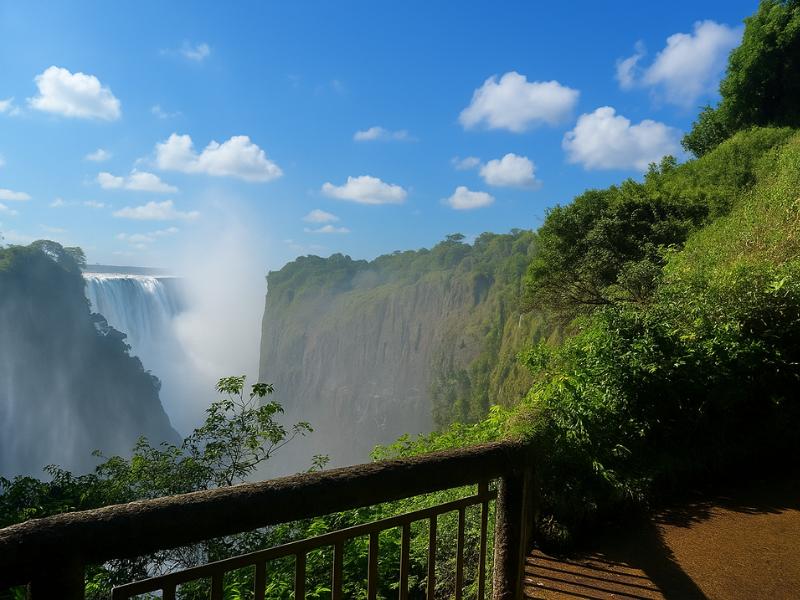
This action-packed 11-day journey combines wildlife, culture, and breathtaking landscapes across Zimbabwe and Botswana. Stand in the mist of Victoria Falls, enjoy a vibrant Simunye Theatre performance, and savor a home-cooked Zimbabwean feast. Safari in Hwange and Chobe National Parks for lions, elephants, and rhinos. Glide through the Okavango Delta by mokoro for close-up wildlife encounters. Includes guided bush walks and authentic local experiences – the perfect Africa adventure.
$3350Check availability →
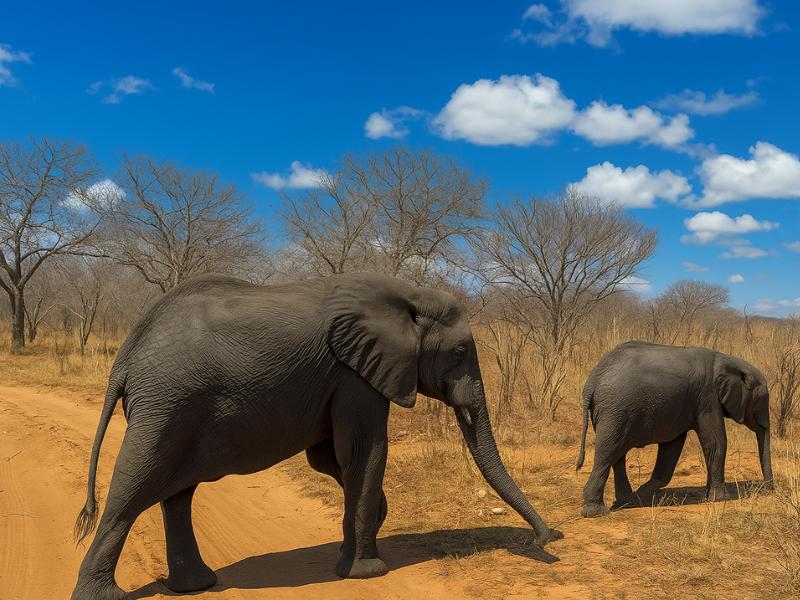
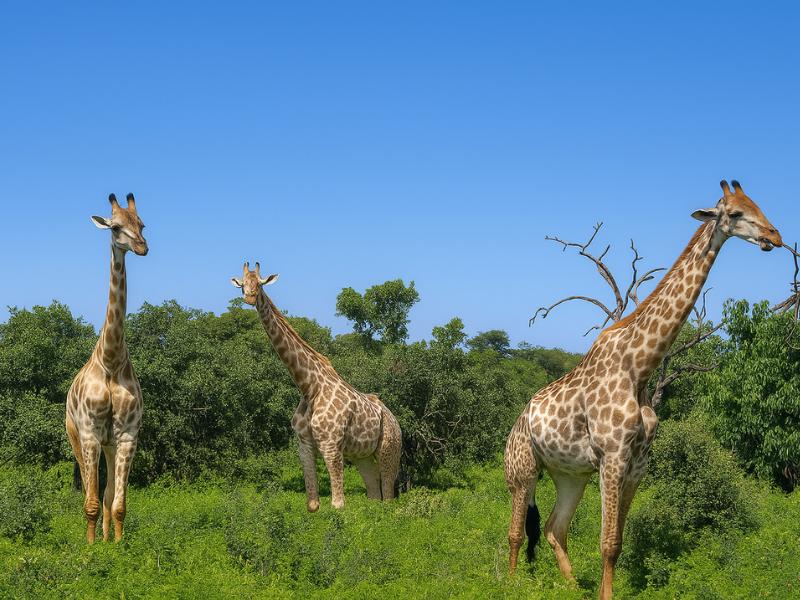
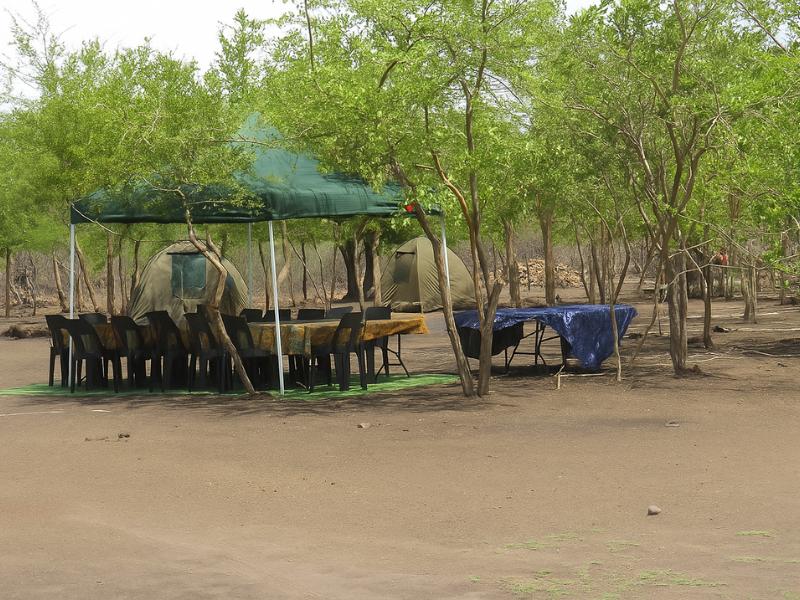
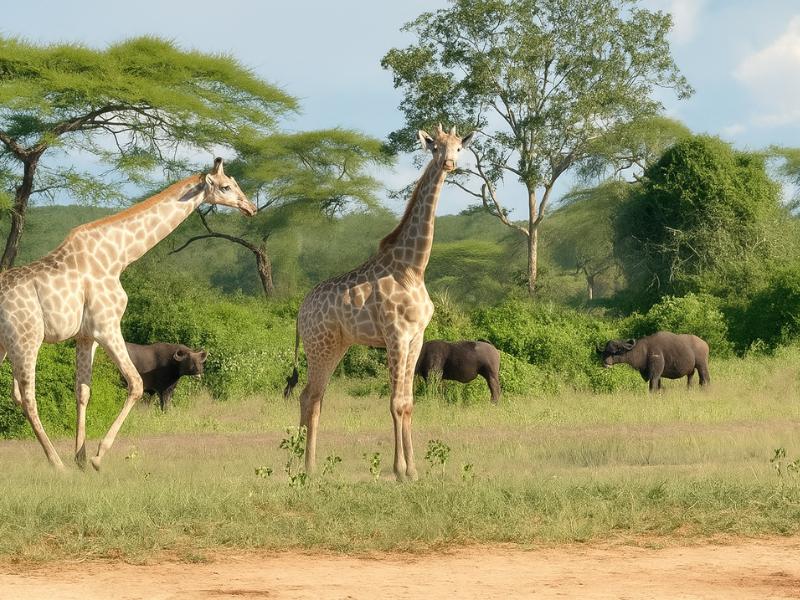
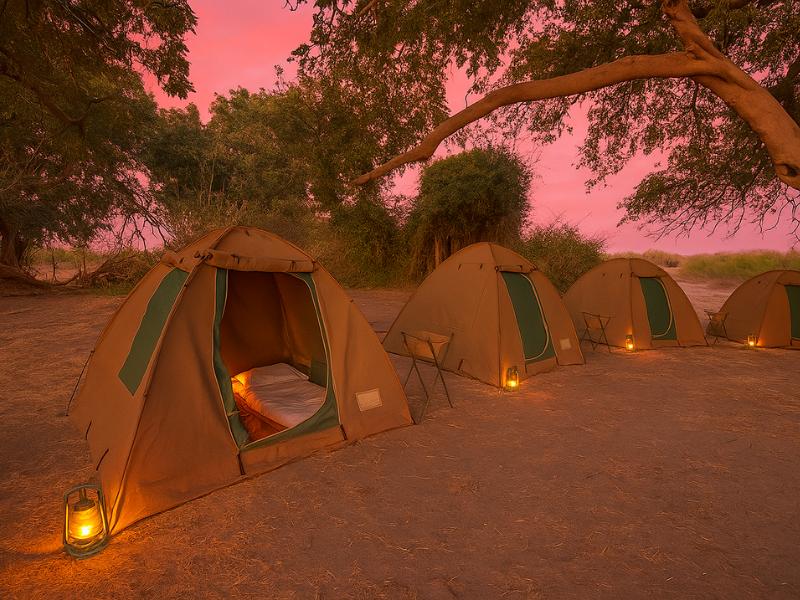


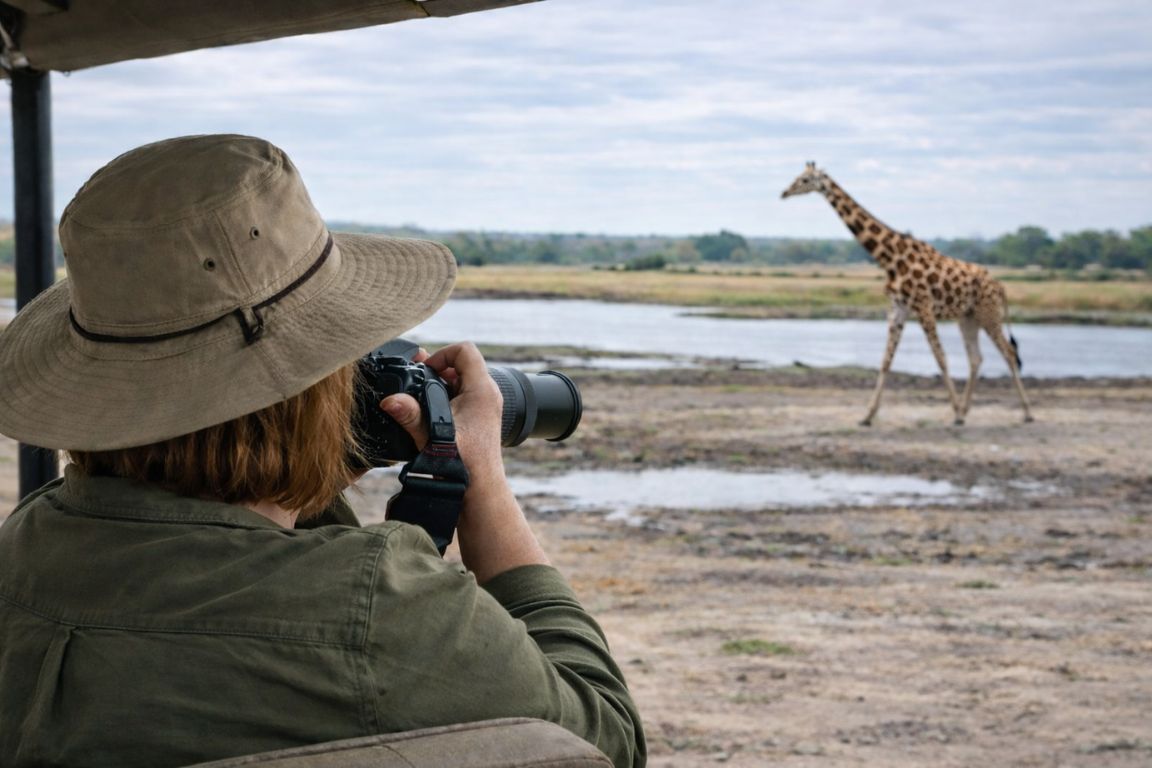 The day starts early because the border does. Crossing from Zimbabwe or Zambia into Botswana takes time even when everything goes smoothly, and our guides handle the paperwork and logistics so clients aren't standing in queues trying to figure out which form goes where. We've run this crossing hundreds of times and the difference between a guided border crossing and going it alone is significant. By the time most visitors are finishing their hotel breakfast, we're already inside Chobe National Park with the windows down and the engines off, listening. That quiet, when you first cut the motor in the middle of the floodplains and the only sounds are birds and the distant rumble of an elephant herd moving through the bush, is one of those moments clients mention to us long after the tour is over.
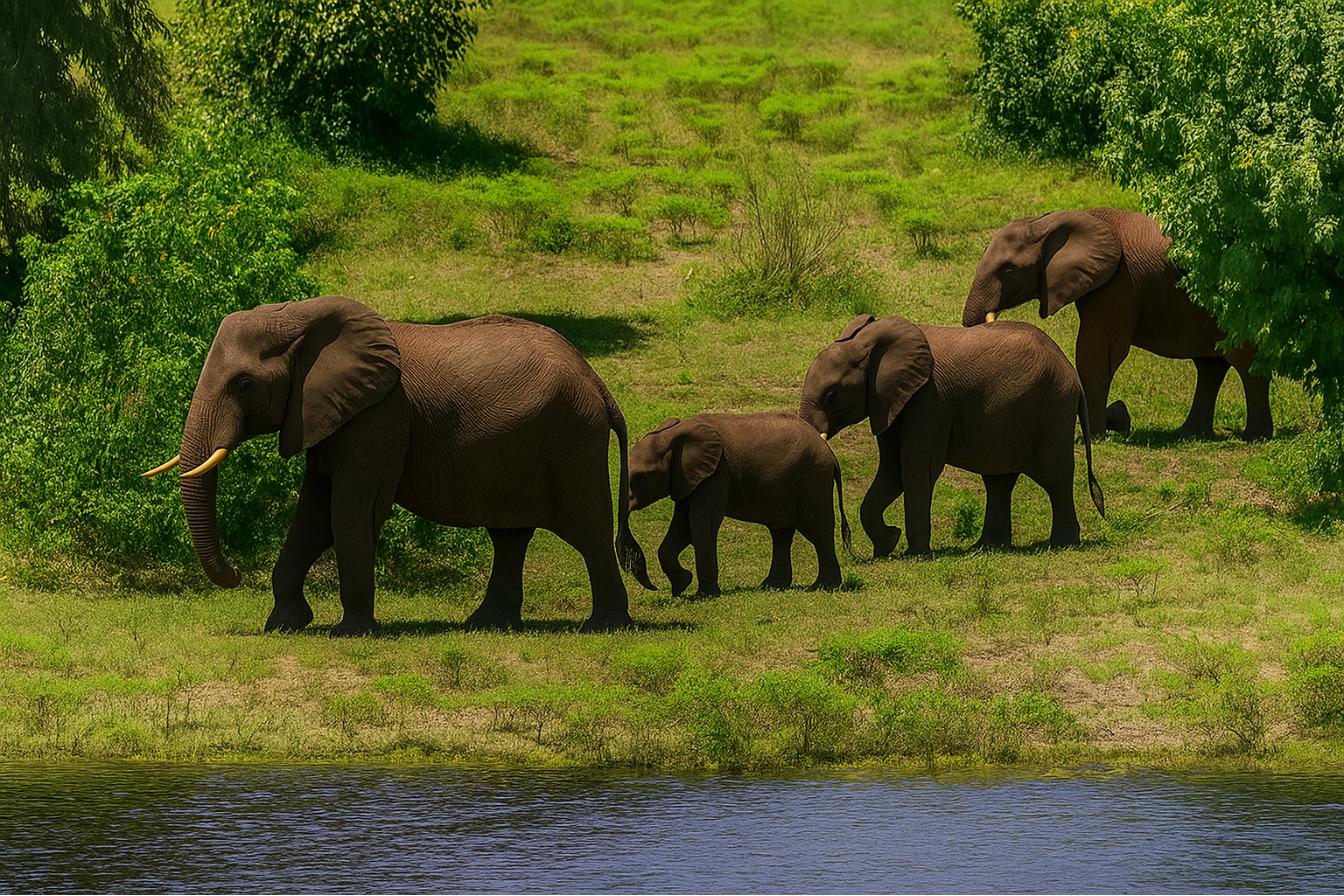
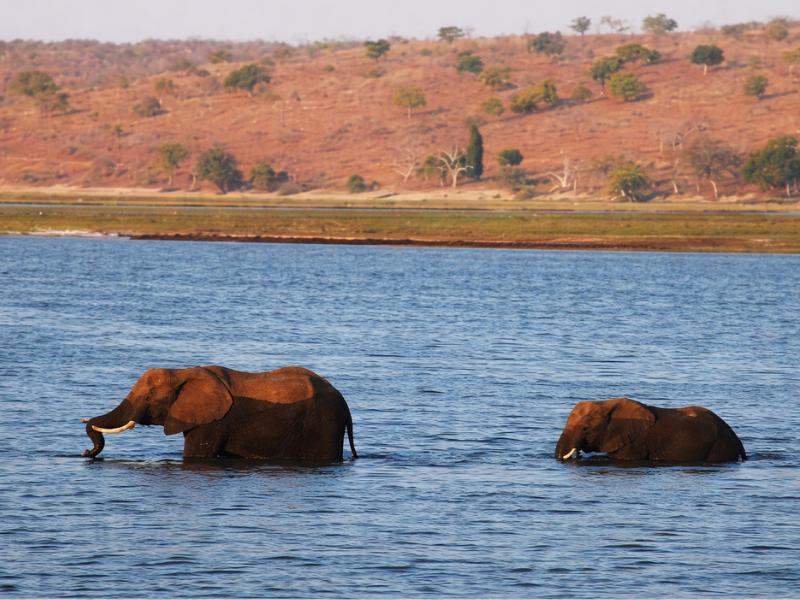
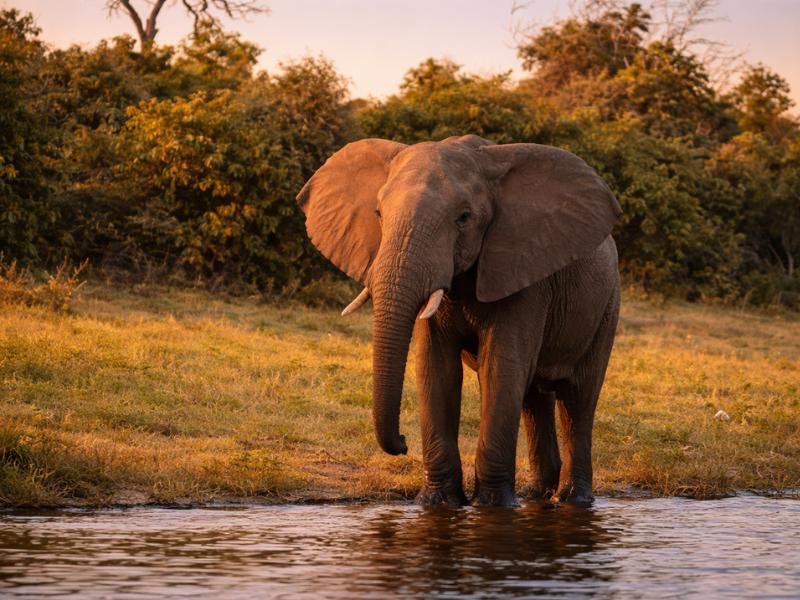
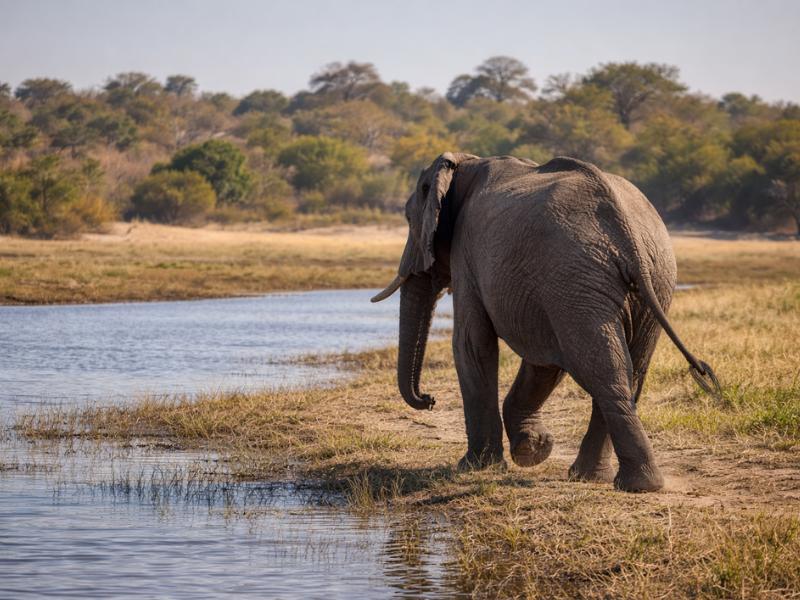
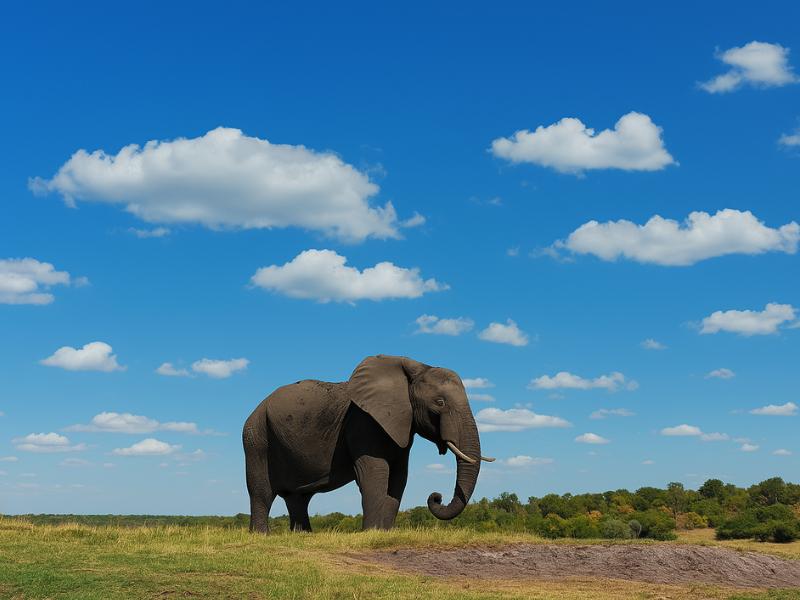
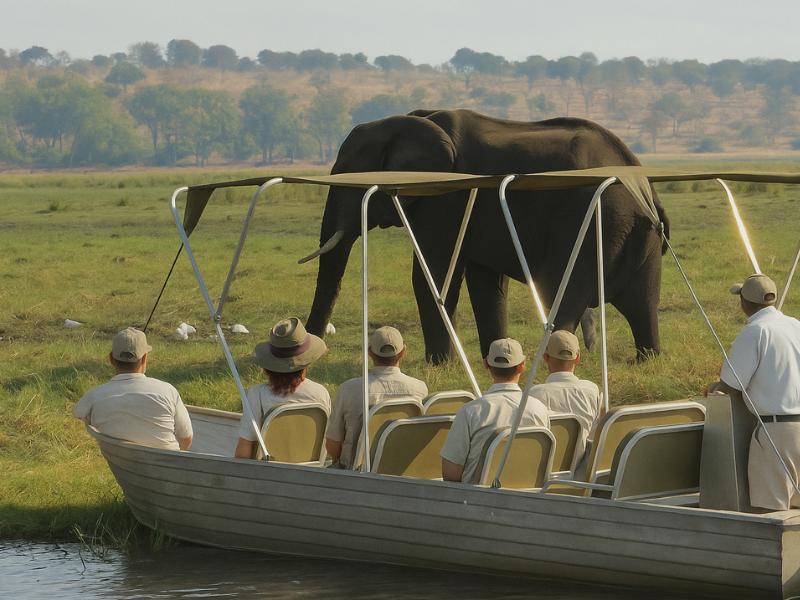
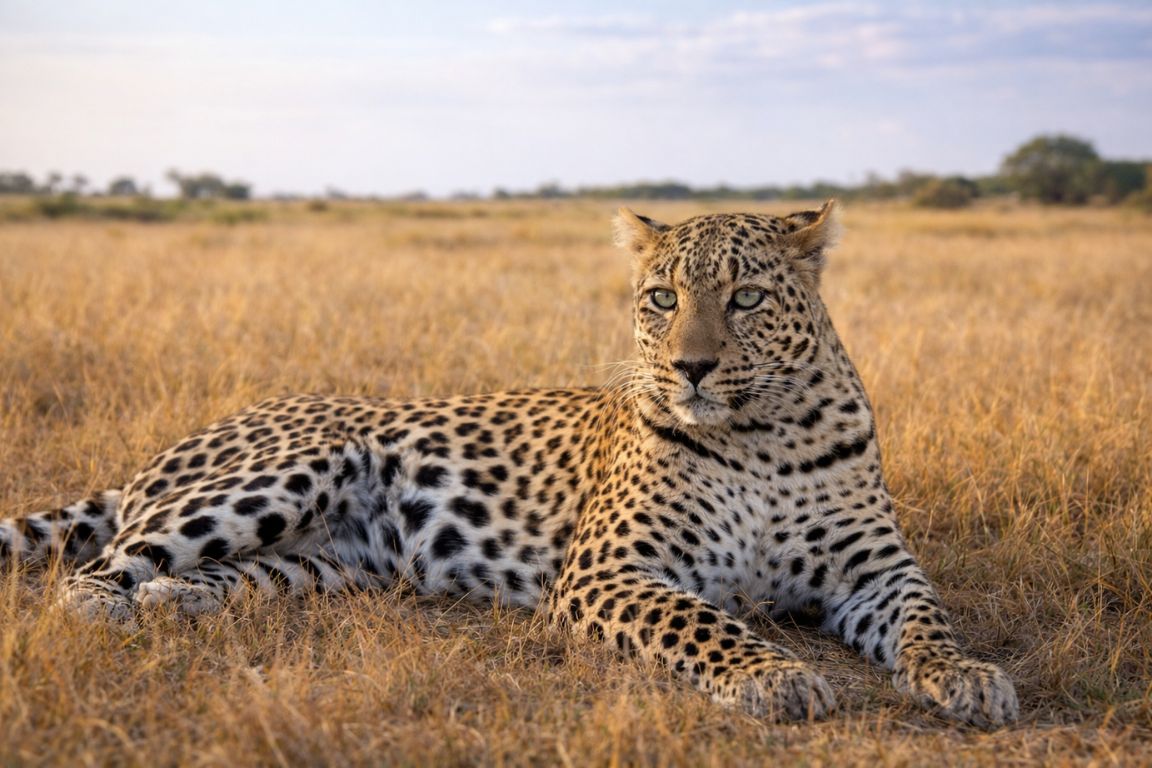 Chobe holds the largest concentration of elephants on earth, somewhere around 120,000, and in the dry season particularly they converge on the river in numbers that are genuinely difficult to process. We've watched clients go completely silent at the sight of a herd of 60 elephants crossing the Chobe River in single file, calves tucked between adults, the water churning white around their legs. No photograph fully captures the scale. Our guides read the herds and the landscape the way experienced locals always do, knowing which areas are active at which hours, where the predators were last night, why the oxpeckers circling that treeline are worth investigating. The morning game drive and the afternoon boat cruise are deliberately sequenced to give you two completely different perspectives on the same ecosystem, one from land and one from water level, and the combination is what makes a Chobe day different from any other safari.
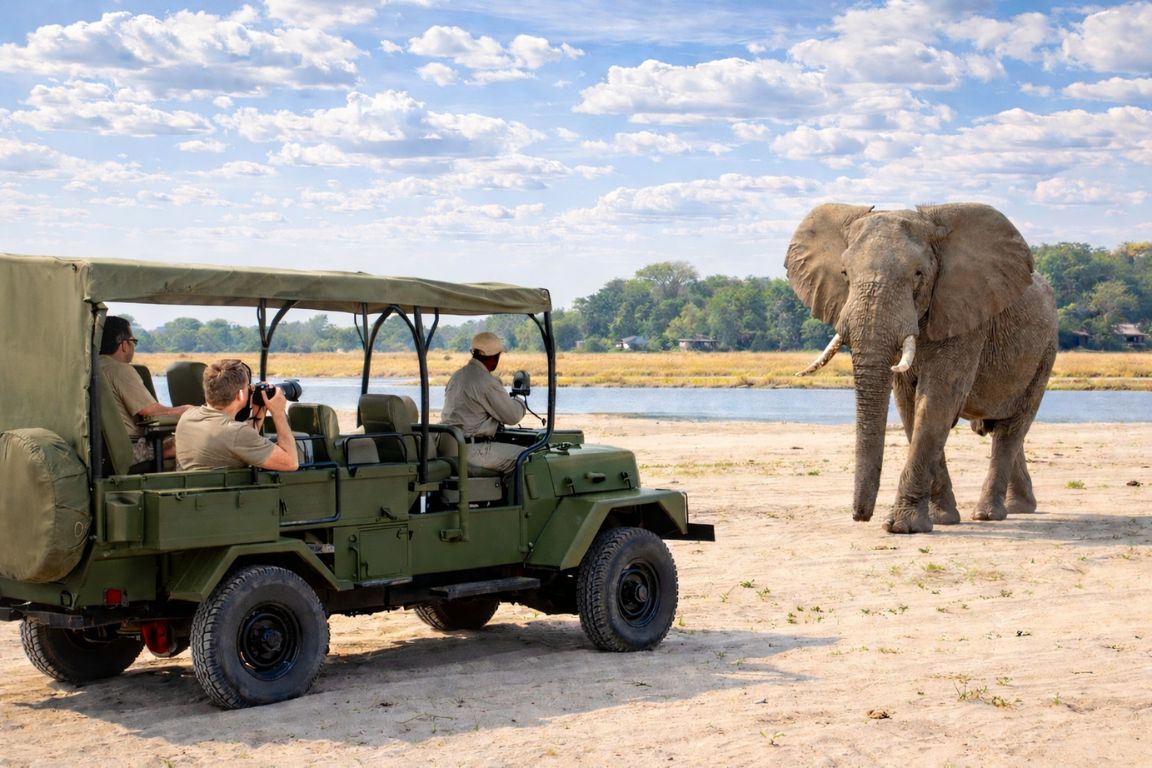
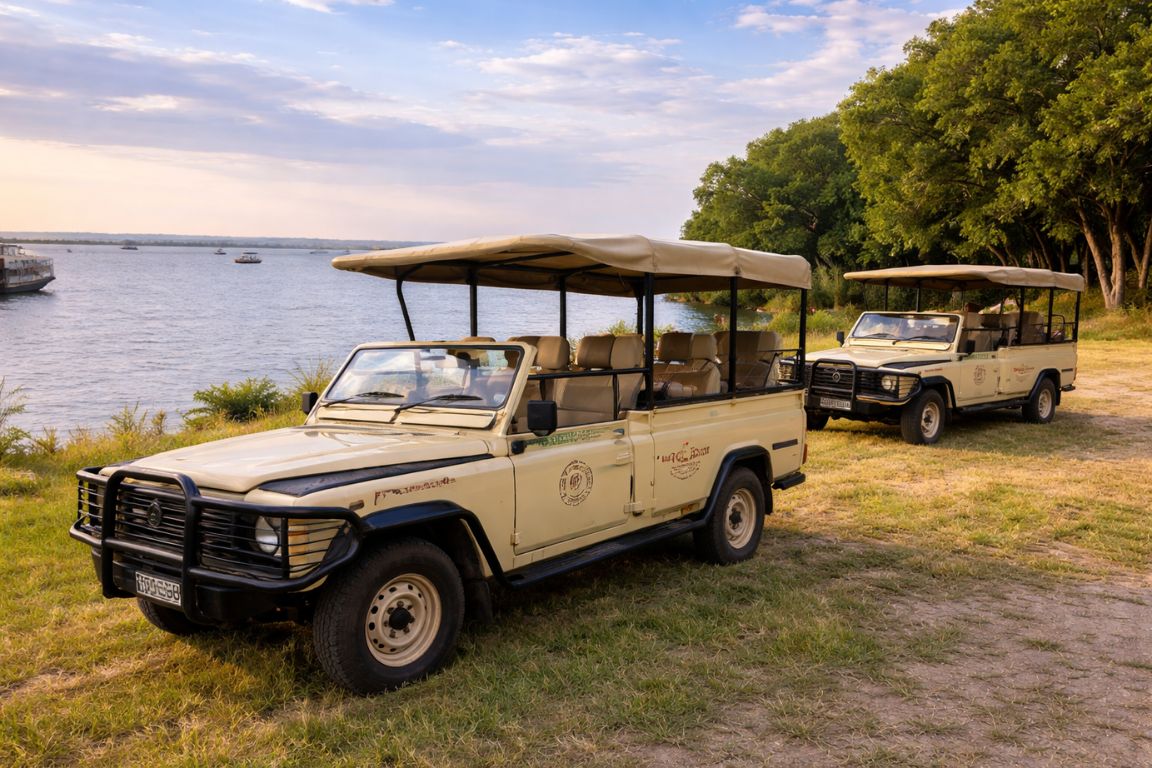
 Here's what we want clients to know before the day: this is a long one. Door to door, you're looking at 11 to 12 hours including the border crossings, and while the pace is relaxed, the heat, dust, and sheer sensory weight of the African bush accumulate. Wear neutral colors, nothing blue or black which attracts insects, and bring a light layer for the early morning river when the air off the water is cool. A hat is not optional here. Sunscreen on your arms and the back of your neck matters more than you think when you're standing in the back of an open 4×4. The buffet lunch is a genuine sit-down meal with shade and cold drinks, and we build a proper rest into that stop because the afternoon drive demands its own level of attention.
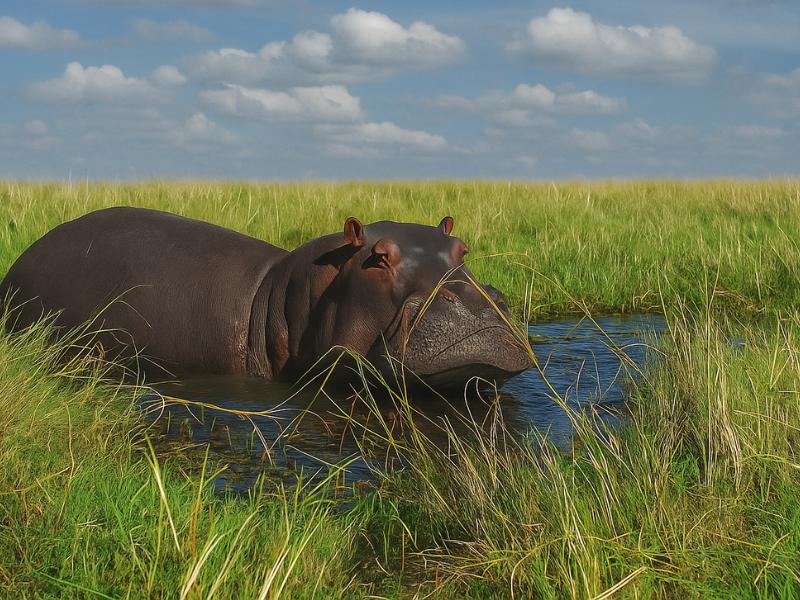
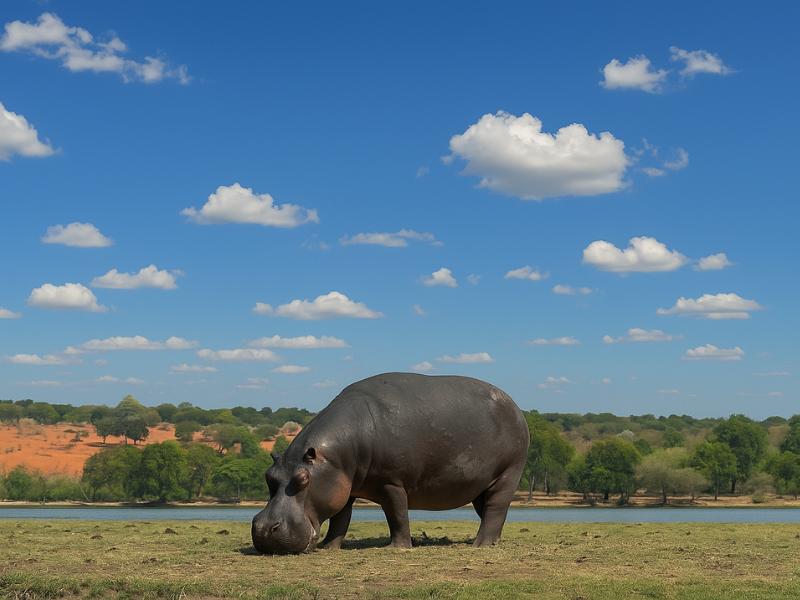
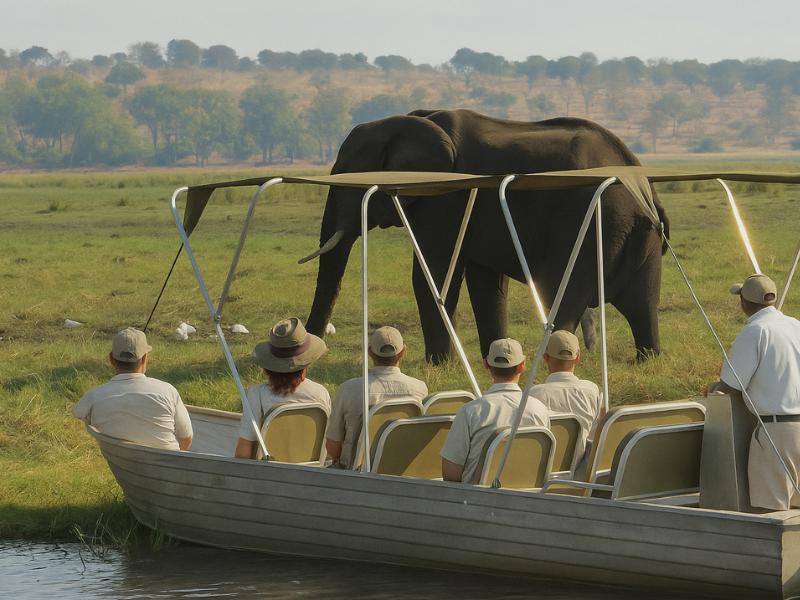
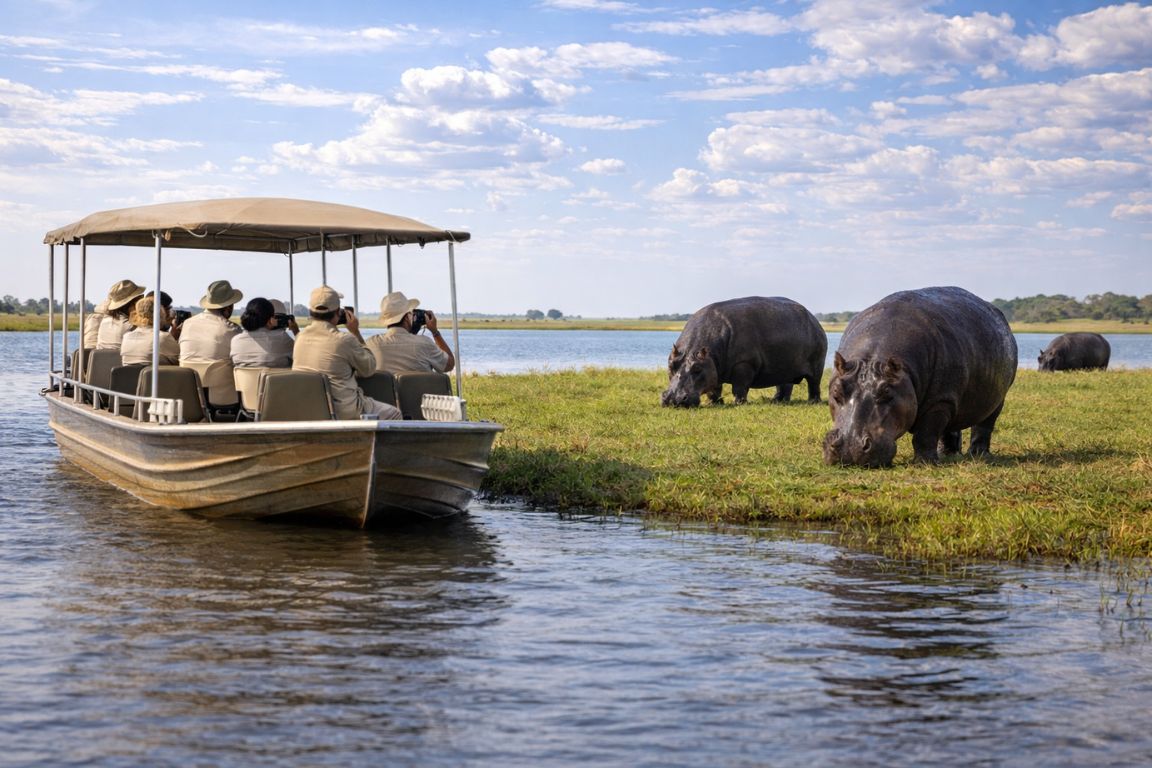
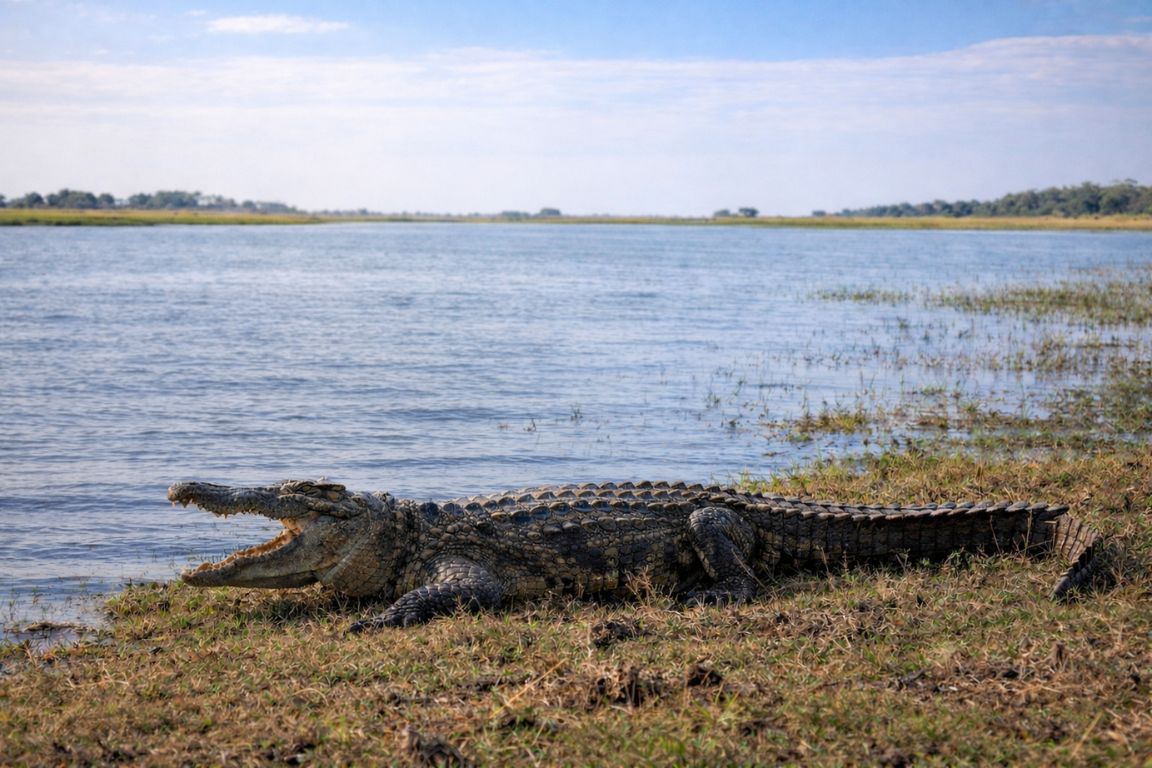
 The boat cruise along the Chobe River is where a lot of clients tell us the day shifted for them. From the water you're eye-level with hippos surfacing two meters from the hull, with elephants wading across the channel, with crocodiles motionless on the sandbanks in the afternoon heat. The light on the river in the late afternoon turns everything amber, and the birdlife along the banks, kingfishers, fish eagles, carmine bee-eaters in their hundreds during the right season, adds a layer that even people who came purely for the big mammals find themselves absorbed by. Our guides keep a running commentary that manages to be genuinely informative without drowning out the experience itself. That balance is harder to get right than it sounds.
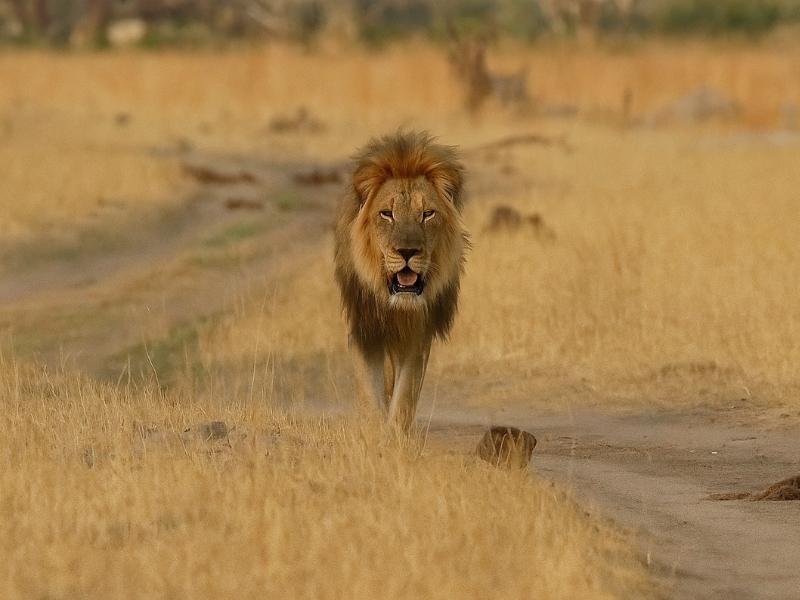
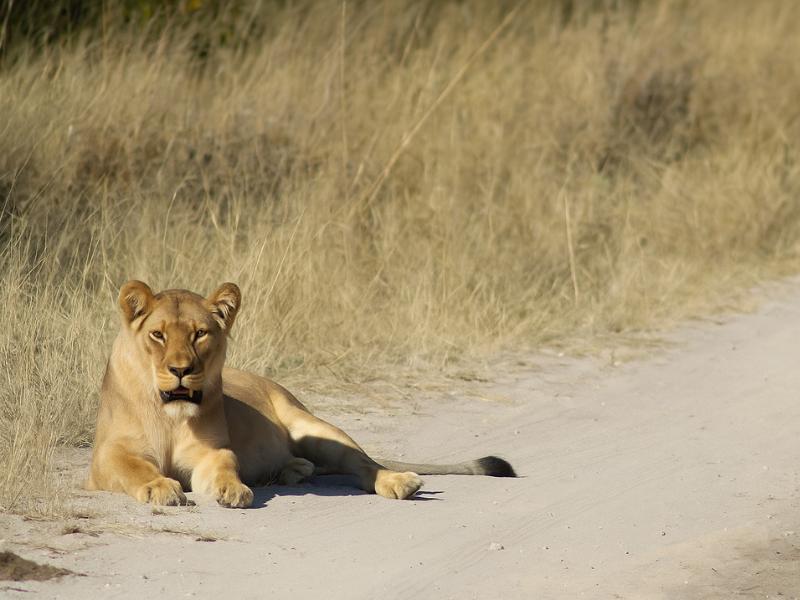
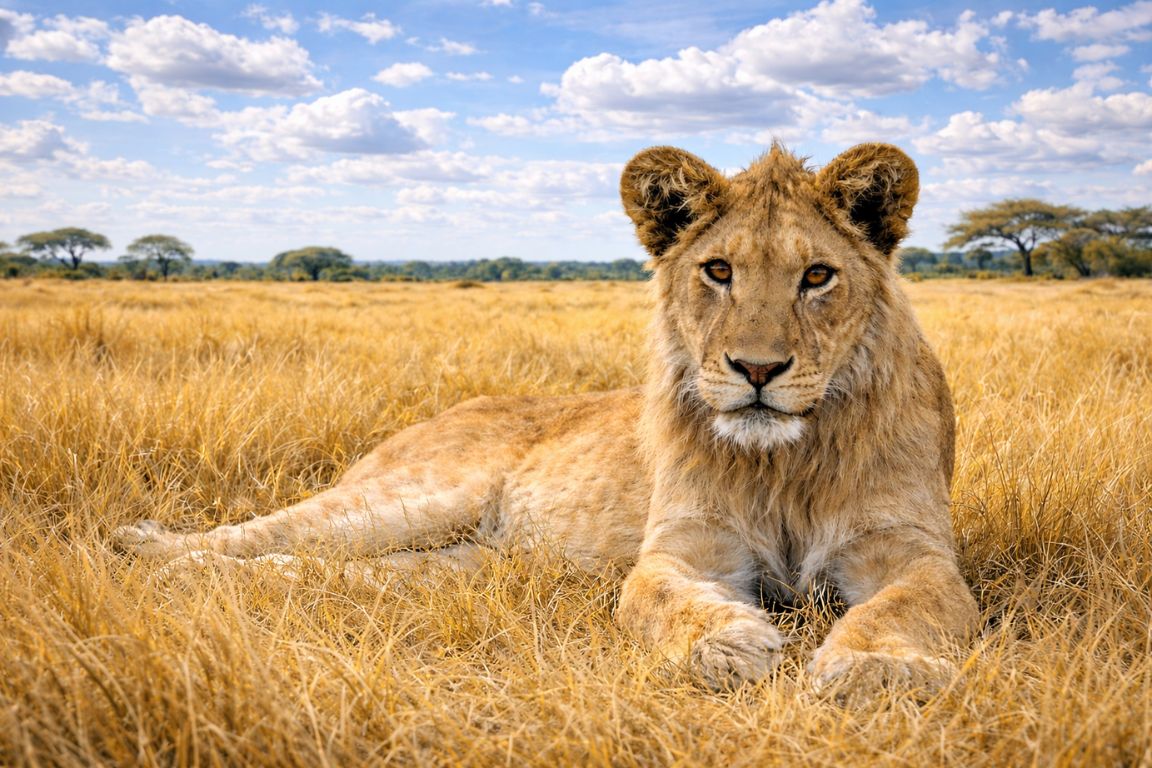
 The afternoon game drive after lunch tends to have a different energy than the morning. Animals are slower, more settled, easier to approach in the open vehicle. Lions in particular are often found flat out in the shade of a termite mound, barely acknowledging the vehicle. Buffalo herds dust themselves in the dry riverbeds. The light drops slowly and the park takes on a quality that is hard to name precisely but that our clients consistently try to describe on the return drive. Chobe Tours has you back across the border and at your hotel by around 7:30pm, which leaves just enough time for a proper meal and the kind of sleep that only happens after a day like this one.
 Victoria Falls is a well-developed safari hub with dozens of operators, guesthouses, and travel agents all selling Chobe day trips. Walk down Adam Stander Drive in Victoria Falls town any morning and you will find agents quoting
  Chobe rewards the people who show up with a plan. It is not a complicated destination, but it sits at a junction of four countries and involves border crossings, seasonal timing decisions, and a real choice between very different kinds of trips. Here is what we tell everyone who contacts Chobe Tours before they start booking.
 Most visitors to Chobe come through Victoria Falls, with one or two days to spare and a clear goal: get into the park, see the elephants, and make it count. These three tours lead all Chobe Tours bookings by volume and they reflect exactly that. All three are full-day safaris from the Victoria Falls side, and all three combine a river cruise with a game drive.
 Chobe is one of the best wildlife destinations on the continent, and the operators who do it properly know it. The top-rated full-day safaris combine a morning river cruise with an afternoon game drive, run in small open vehicles, and cap groups tightly. During dry season, May through October, when the elephant herds are at their most concentrated along the river, those spots go well ahead of time.
Book before you fly. A trip this far deserves a guide who actually knows the difference between a lion track and a leopard track, not whoever happened to be available that morning.
What you lock in when you book in advance:
Chobe is one of the best wildlife destinations on the continent, and the operators who do it properly know it. The top-rated full-day safaris combine a morning river cruise with an afternoon game drive, run in small open vehicles, and cap groups tightly. During dry season, May through October, when the elephant herds are at their most concentrated along the river, those spots go well ahead of time.
Book before you fly. A trip this far deserves a guide who actually knows the difference between a lion track and a leopard track, not whoever happened to be available that morning.
What you lock in when you book in advance: